My website review

After my previous hand in I was told to make some changes to my website to make it more viewer friendly and simplistic. The website was a work in progress anyway so I was happy to make some changes and try to create a website that best reflects my practice and personality as well as being aesthetically pleasing.

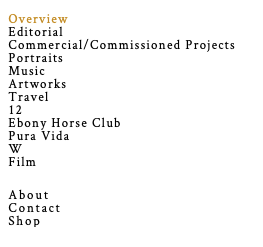
These are screenshots of my website at the moment, which hasn’t been changed since deadline in December. I chose to use Cargo as I felt there was more freedom with the layout and what I wanted to do. I wanted to create branding for myself, hence why I made a gif of my name moving in a heart shape. I did this as I have seen so many websites with very corporate looking names and I wanted mine to reflect the more personal and fun approach I take towards my work. I was told this moving heart was distracting to viewers so I’m hoping to try and use my name handwritten instead as I feel this will still illustrate the personal aspect but will also be more simple.
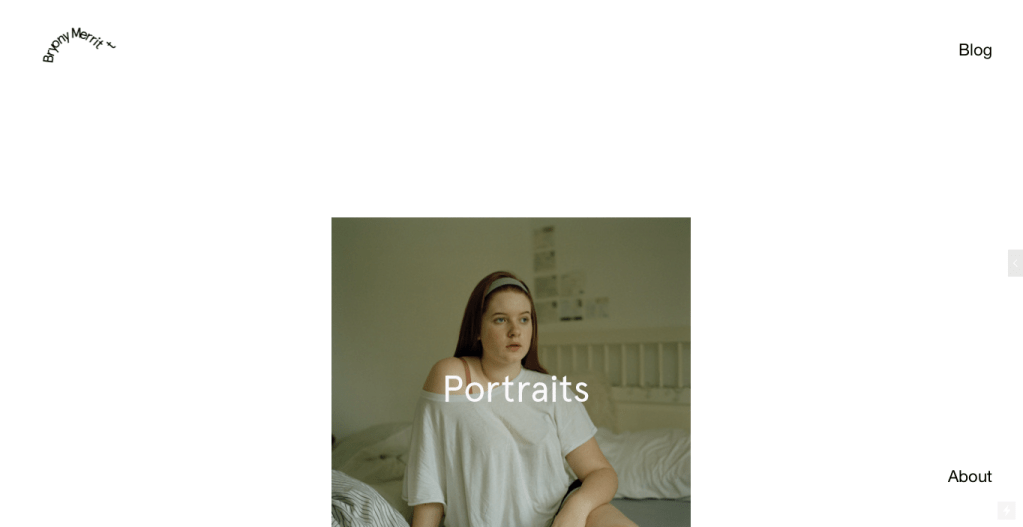
I was also told to remove the blog which I will do, it was simply placed on the website so it was easier to access for tutors when marking my work. I do enjoy the projects scrolling through so people have the chance to see a little debut of each project. I’m unsure whether I will keep the text on top as some of the names I’m unsure of. I also may change the background colour as I’d prefer more of a pattern or very subtle colour. I also want to add a sidebar which has access to all the projects and perhaps move the ‘about’ tab there as well.
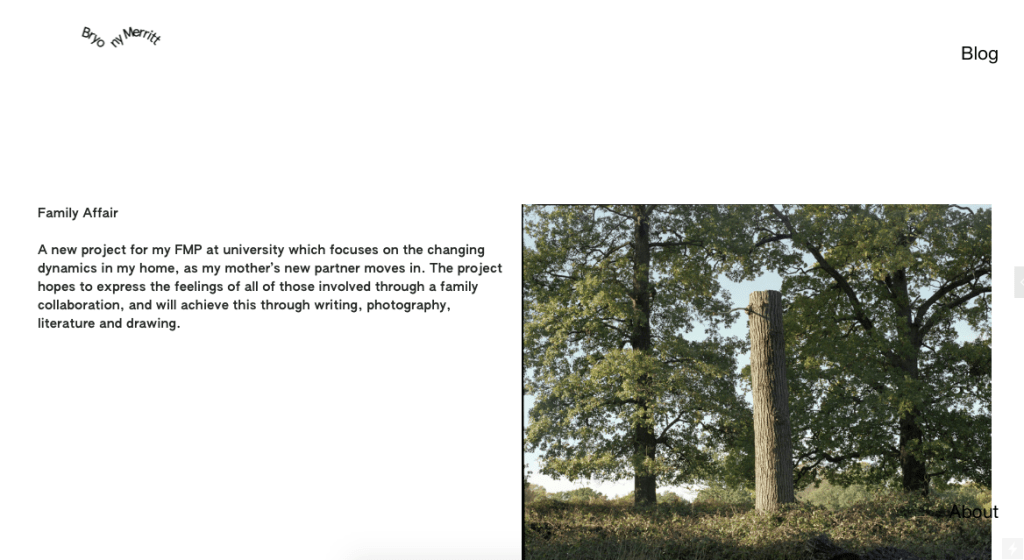
I also need to be careful in my wording as I’ve written ‘FMP’ which is not very clear to anyone not at the university. With my project pages I would also like the images to be a little bigger and be more central to the page. It would be nice if they could be placed in a less formal way so I will look at doing this.
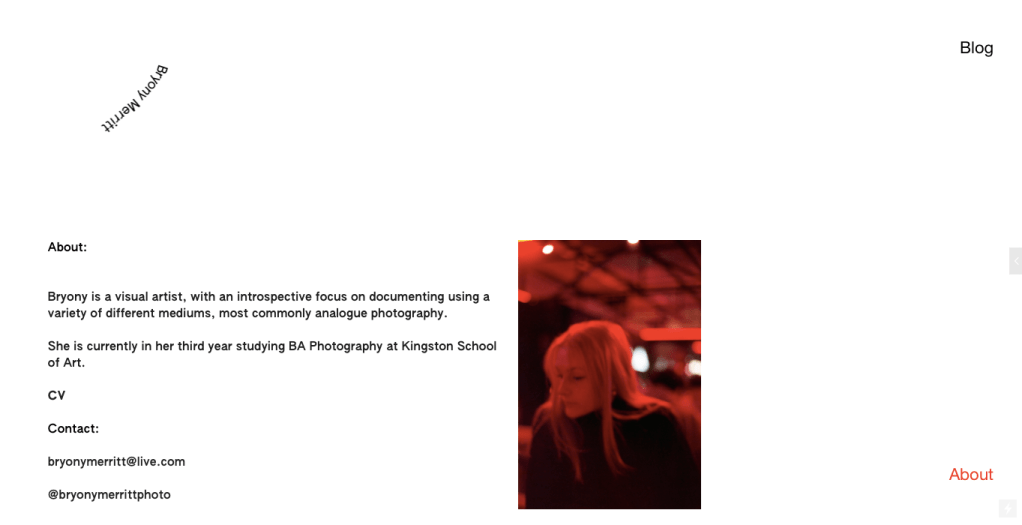
Finally I would like to find a different image to use for my ‘about’ page as I feel this isn’t a great representation of me as a person. I will get a new image taken soon. When I have written my CHS statement this will also be added so that people have a little more information about my practice. My CV could also do with some refining and the layout should be changed so it’s a little more simple for people to read.
Tim Walker ‘Wonderful Things’ (2020) – Exhibition Reflection

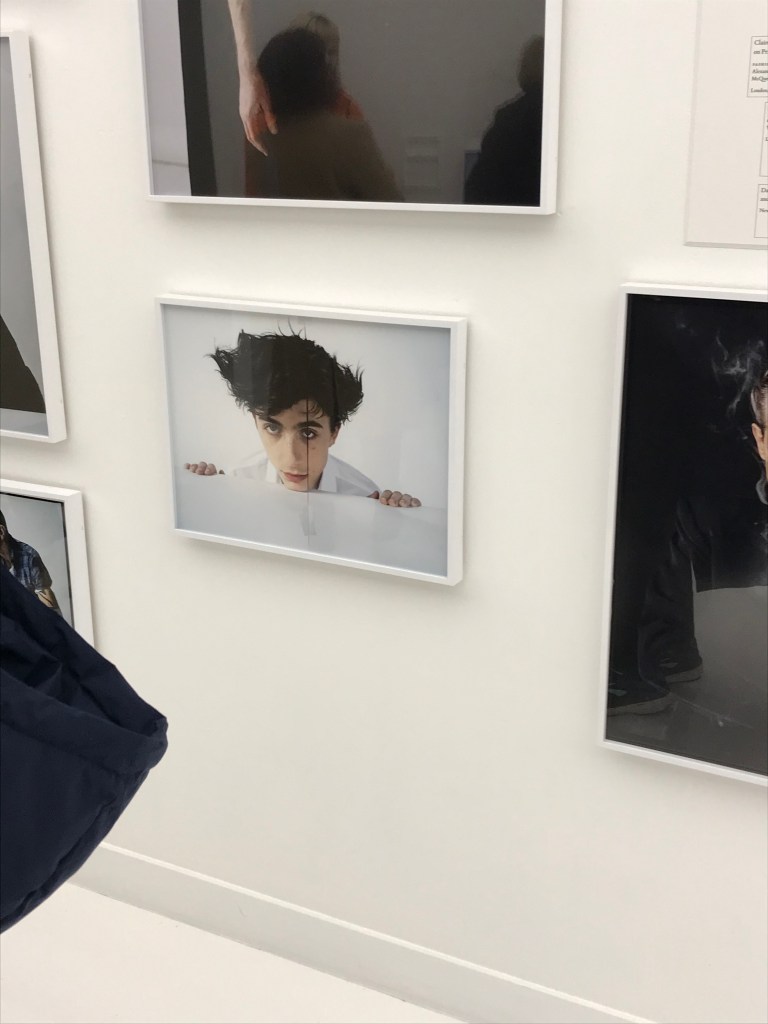
I have always admired the work of Tim Walker so felt enthralled to be able to finally see his work in a solo exhibition space. the galleries route split his work into all its differing genres and projects, and the spaces themselves fully encapsulated this. The initial room was white and rather plain, with his portraits taken in a more commercial sense and fashion imagery displayed on all the walls. This felt perfect for the photographs themselves as there were acute details and colours that need viewers to lean closer and focus on, so the interior didn’t take away from this. Each image was framed in a white wooden frame and hung in a less linear oder, appearing more like a sketchbook than simply placing images side by side on the wall. I really appreciate this approach to hanging as it makes the most of the space and feels less formal, it requires viewers to work on different levels to view what’s in front of them. It’s something I would definitely consider for my own work as I appreciate the less formal perspective.

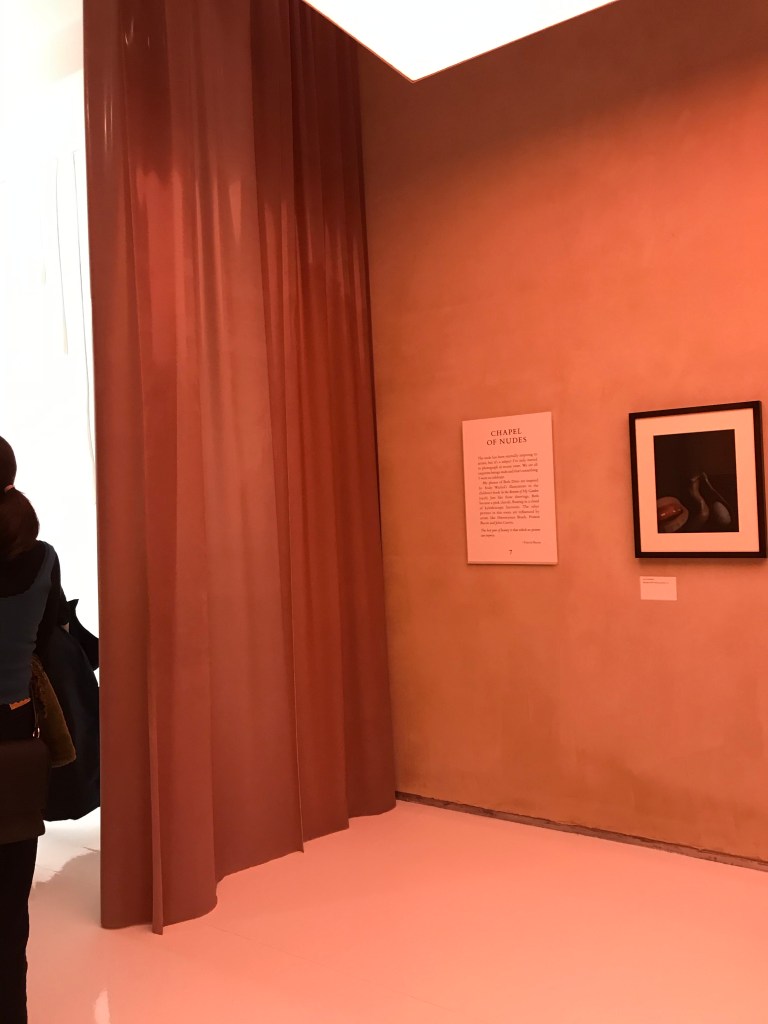
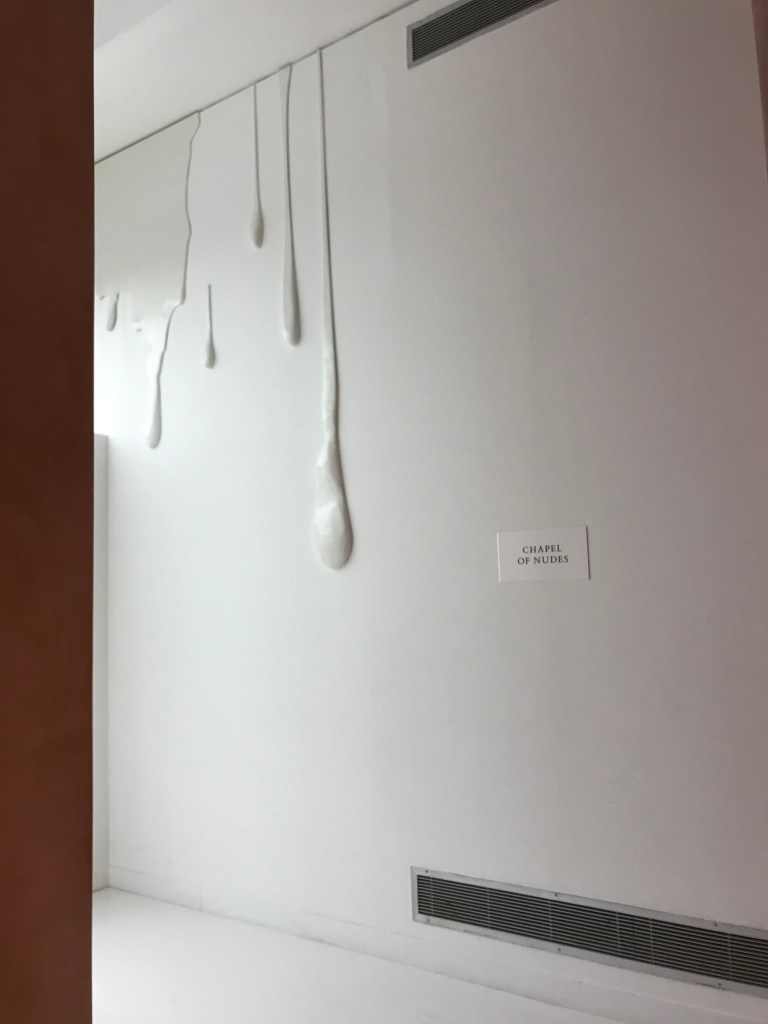
The room leading on from this was concealed by a latex curtain, which visitors had to push through in order to enter. This already sets a feel for the images inside, which are named the ‘Chapel of Nudes’. The stark movement from the bright white open space into a smaller pink room with walls covered in pink velvet create a sexual and seductive scene in which the images feel perfectly in place. The images within the room were far smaller than the portraits and meant viewers had to get close to view them, adding a more intimate and personal approach to the collection. I enjoy the cleverness of making the space just as important as the images on the walls and think this could be echoed in my work and perhaps in everyones. The photographs had black frames and a large white mount, making them stand out from the wall but also making the image size even smaller. The attention to detail and thoughtfulness with combining the imagery and space is wonderful and important in an exhibition space, something I will consider in the future.

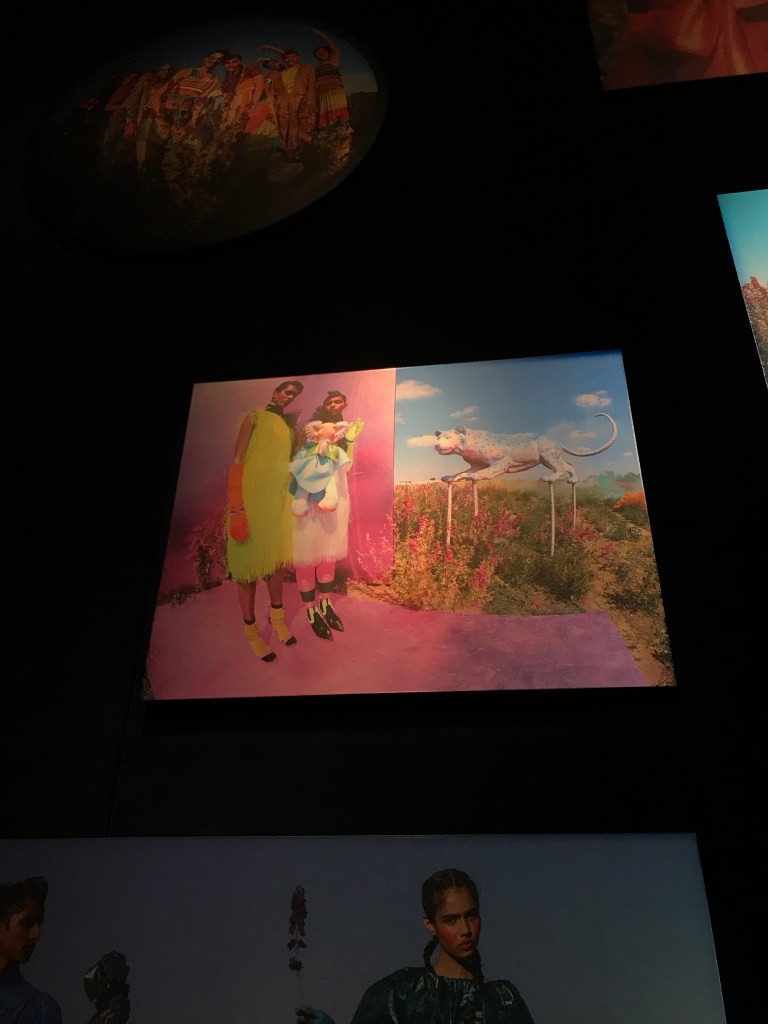
Whilst there were many other rooms the next was the one I found to be most intriguing with regards to curation and framing. It focused on his more adventurous fashion work, for Vogue and other high end fashion magazines. the images were taken during the heatwave in the UK a few years ago, so there was a huge expanse of colour and light which exploded into the space. The room was very dark, and only lit by the spotlights on the images, making them appear as though they were placed on light boxes. The images were placed at varying heights, far taller than the viewers beneath. Above these were the props used in the shoots, dreamlike neon animals and flowers, adding to the dreamlike scene. The photographs themselves seemed to be placed on thick mount board, so it was less about the quality of the print and more about the scale and overall appearance of the room. Although I’m not sure I would create work on this scale, I enjoyed the use of props to remind people of the process of being a photographer and the work that takes place behind the scenes. I also think the use of spotlights in a dark space really brought out the colours and the movement from the room before added to this change in atmosphere.

Of all three rooms I’ve focused on I feel my work would most suit the portrait room or the nude room, just because of the more formal choice of framing but i also appreciate and can see the need to create an atmosphere in the space, whether this be by changing the wall or floor coverings, or applying a curtains or certain light. I don’t want to be simply complying to the traditional.

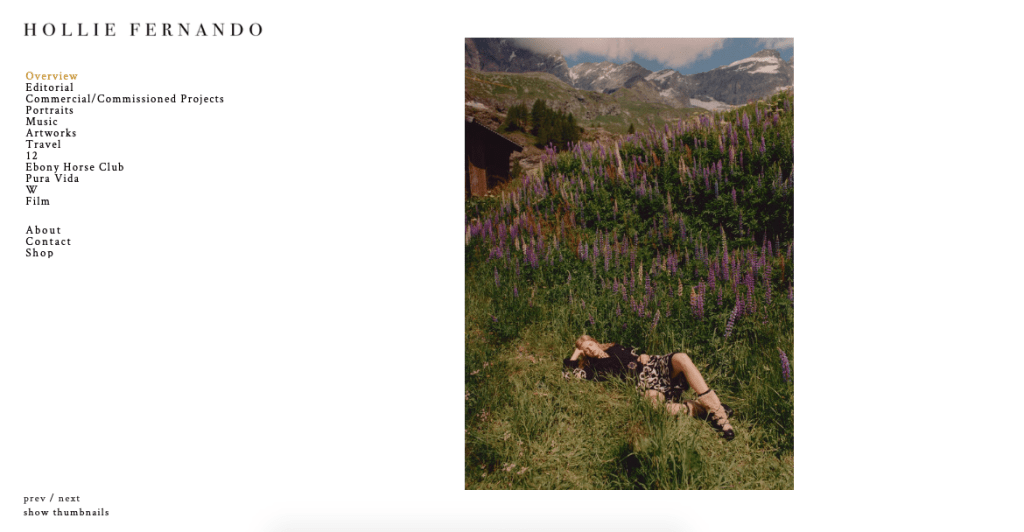
Website Review: Hollie Fernando

https://holliefernando.com

Positive Aspects:

  • Side bar is left hand side leaving plenty of room for the imagery on the right hand size and centre of the site
  • Immediately greeted with images when you load the website, and have the choice to flick through this overview of imagery which is all fairly different in subject but can see Fernando’s style coming through. Also able to flick through with keyboard keys
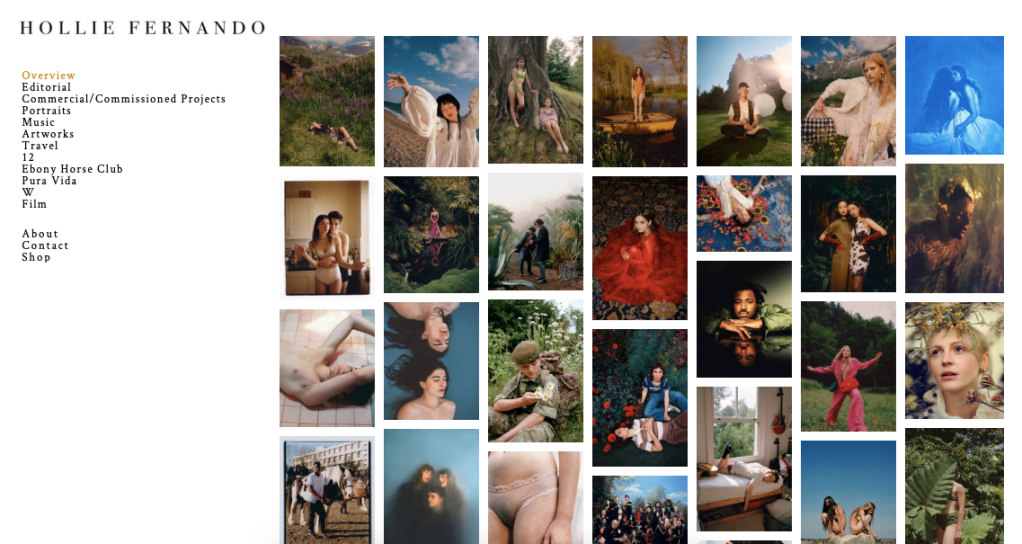
  • There is an option to view thumbnails so viewers are able to see all the images on the front page together and select one to look at more closely, works s a mini portfolio
  • Projects are clearly ordered and there is space between the projects and information so viewers have a clear understanding of where they need to go

Negative Aspects:

  • Could perhaps add the ability to click on an image on the front page and be taken to that project or have the names beneath as viewers are not given this information

Overall: this was my favourite of the websites I explored as it displayed a portfolio of the best images but in a subtle, simple way that any viewer can understand and engage with. I would like to try and replicate this layout on my own website but perhaps have project names so that viewers can get to know the projects better.

Website Review: Sophie Green

http://www.sophiegreenphotography.com

Positive Aspects:

  • Domain has ‘photography’ in its title, easy to decipher from other names that this is the photographer
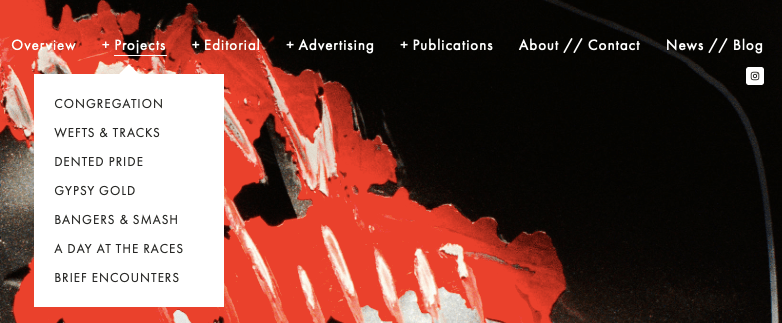
  • Drop down menu of each category is very simple and easy to use, also very well organised so clients can easily navigate to whichever kind of work they require

Negative Aspects:

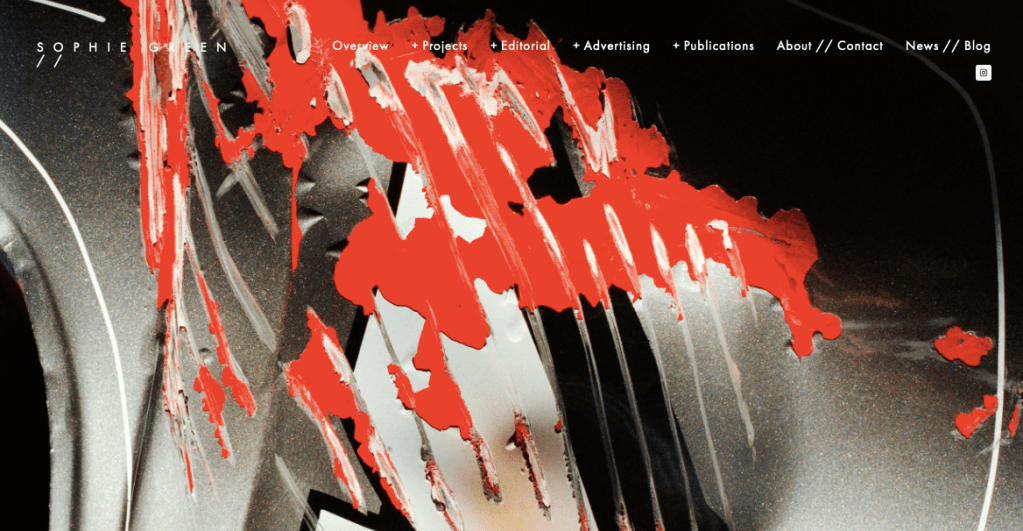
  • Site begins with a ver bold image that makes the text harder to read
  • The initial image is also very different from her photographic work so would leave viewers perhaps confused whether they were in the right place
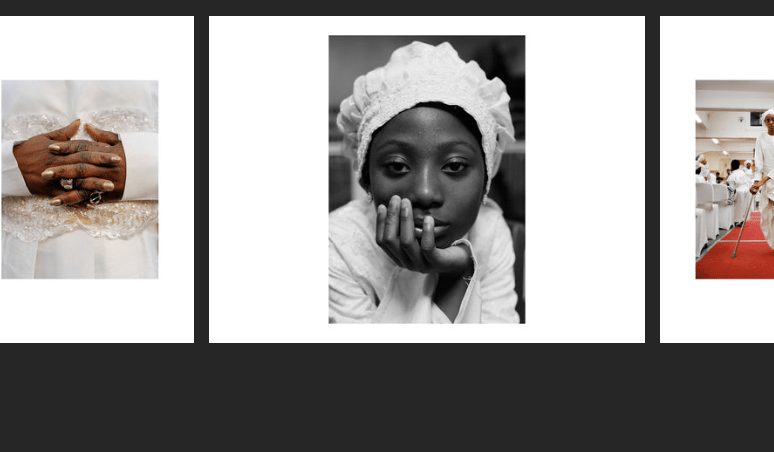
  • Overview page is more akin to a front page, looks like a professional polished portfolio, however I don’t like the white bordered images on the nalco background, feels as though its taking away form the imagery.

Overall: I would personally prefer a more simple website or front page, that displays the kind of work I do and has a more subtle background that doesn’t take away from the imagery. I do enjoy the drop down menu at the top however you have to scroll back up to change pages.

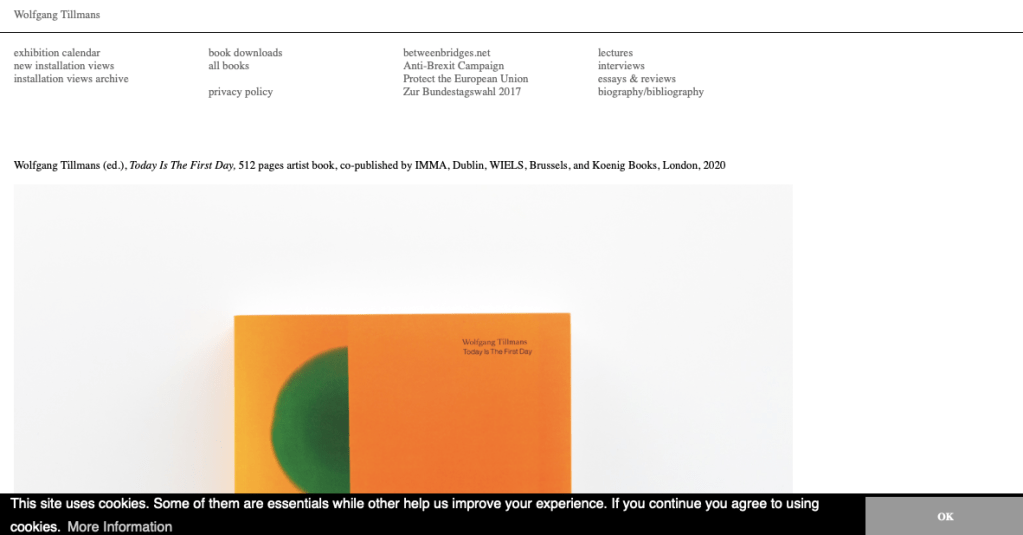
Website Review: Wolfgang Tillmans

Positive Aspects:

  • Domain is clear and concise, viewers are aware whose website they are visiting juts by the name, but would this be the case with a lesser known photographer?
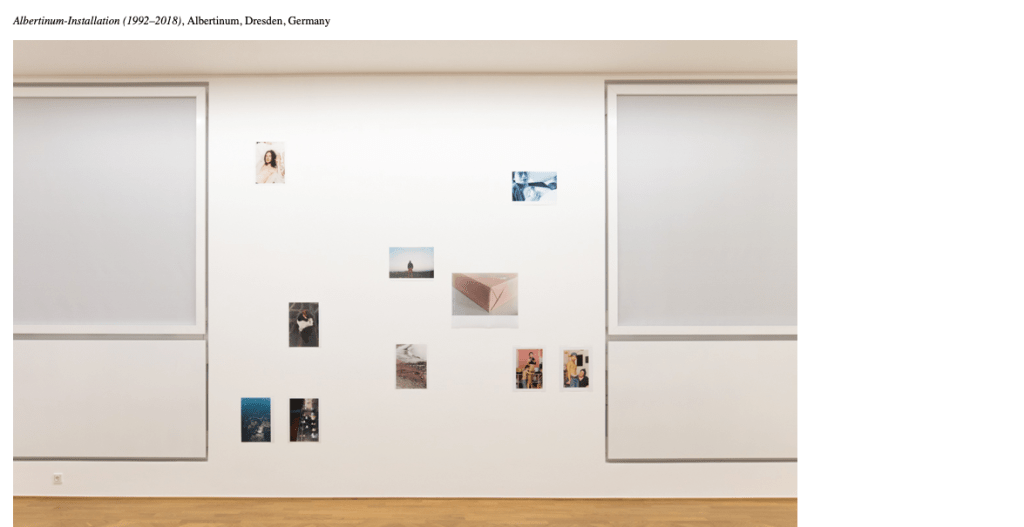
  • Website is very similar to the layout of a blog, with headers at the top followed by the newest posts running below. This keeps the page nice and conversational as well as keeping viewers updated with the latest doings of the artist.
  • White background works as there’s a variation of different imagery and text on the page, all different colours so white is the best choice
  • Name is in the left hand corner and is in a simple font that anyone can read

Negative Aspects:

  • Not great as a photography website as images are not clearly displayed but is easy to navigate and explore

Overall: The website is very informative and is regularly updated, keeping viewers up to date with what Tillman’s is creating. It also illustrates his interests and other projects he involved in as a multi media artist. However, I don’t have as much content to update so regularly and feel this would be better suited to an instagram layout if it were my work. I would like a website with more pages as oppose to one page which can be scrolled through containing all Tillmans work and current projects.

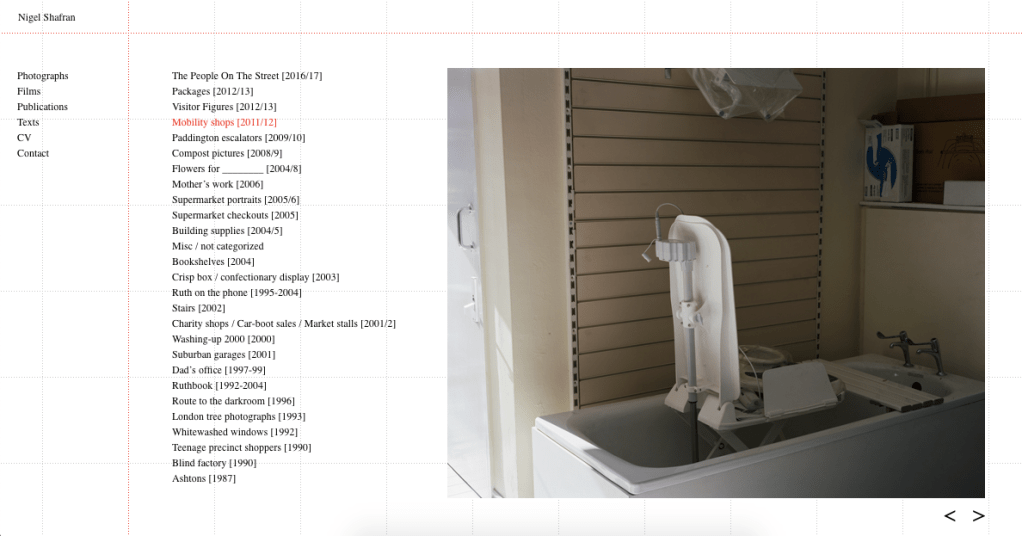
Website review: Nigel Shafran

Positive aspects of the website:

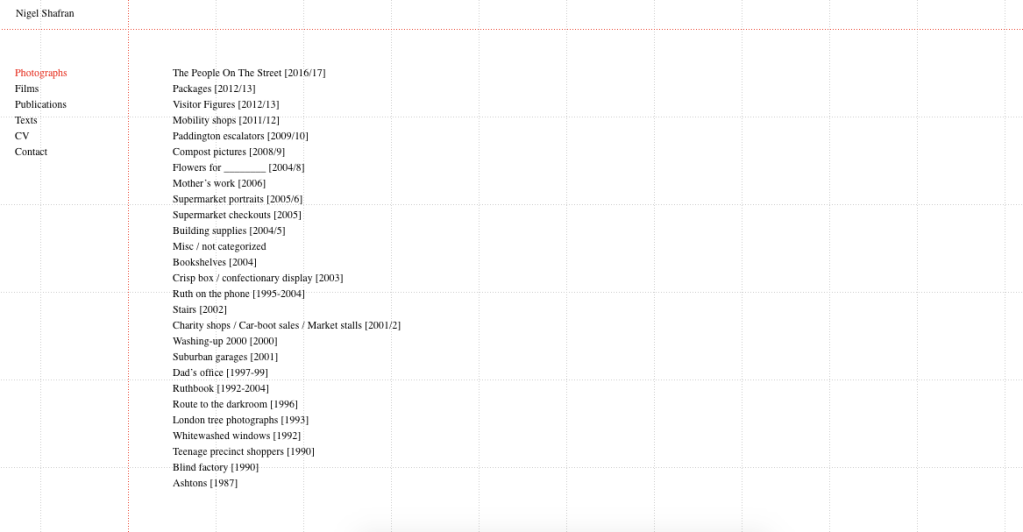
  • Gridded background adds a more WIP, sketchbook feel to the website, images feel as though they are stuck or taped onto the page so more relatable and down to earth for viewers
  • Enjoy the simplicity of the site, lots of space and font is clear and easy to read
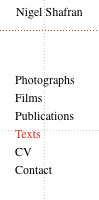
  • Left hand side bar is easy to navigate with not too much information, viewers have a clear and concise menu to explore
  • Space is filled with an image when a project is selected, viewers can see the images on a large scale and click through them

Negative Aspects:

  • Lots of negative space on the website before you select a project, feels like the menu could be centred
  • Imagery is not evident until you click on a project, so perhaps lesser known photographers would not do well without more clear imagery displaying their work
  • Have to click on the left and right arrows on the screen to go through images, would be good if could use the arrow keys on the keyboard
  • His name is on the left hand side of the screen throughout the whole website, perhaps could be centred to illustrate importance of it being his work on display

Overall:

I really enjoy the simplicity of the website and the colour scheme that kenos itself to a sketchbook. I will look at having another background colour as oppose to white as my work is very much about WIP and messing around, and i feel the white background can sometimes appear too polished. I also appreciate the simple sidebar menu and the neatness of each page so that viewers can find their way around the side efficiently. I hope that mine takes some of the aesthetics from Shafran’s but I will need to display more imagery on the first page, so viewers have a portfolio before them straightaway and therefore something to intrigue and interest them.

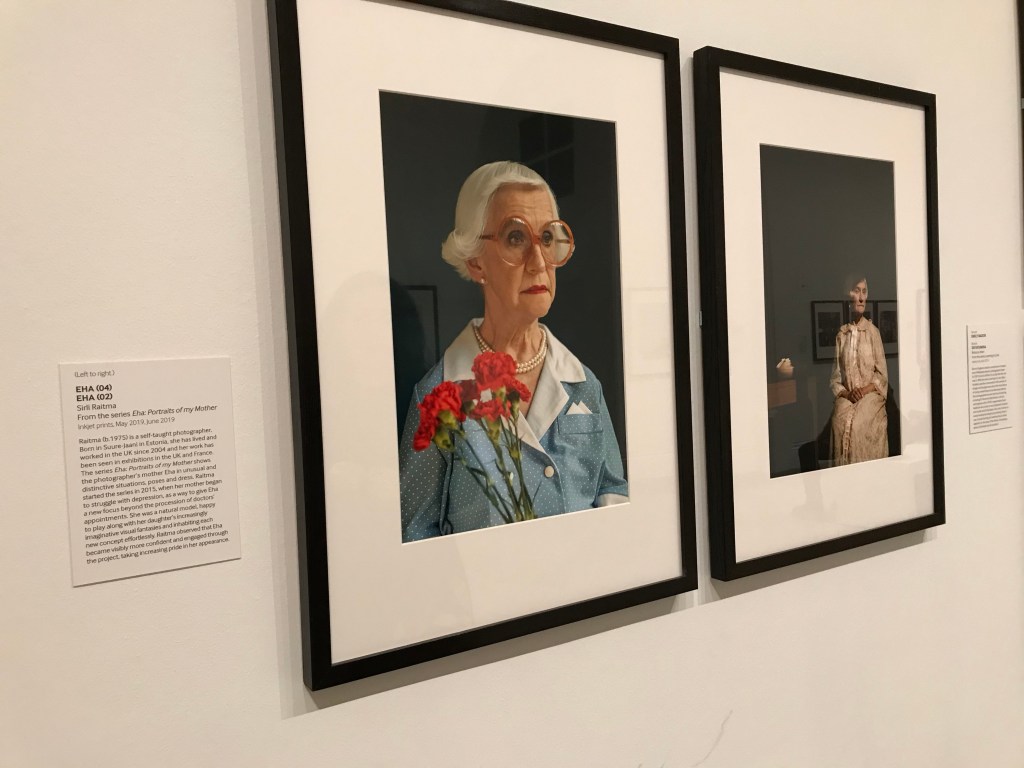
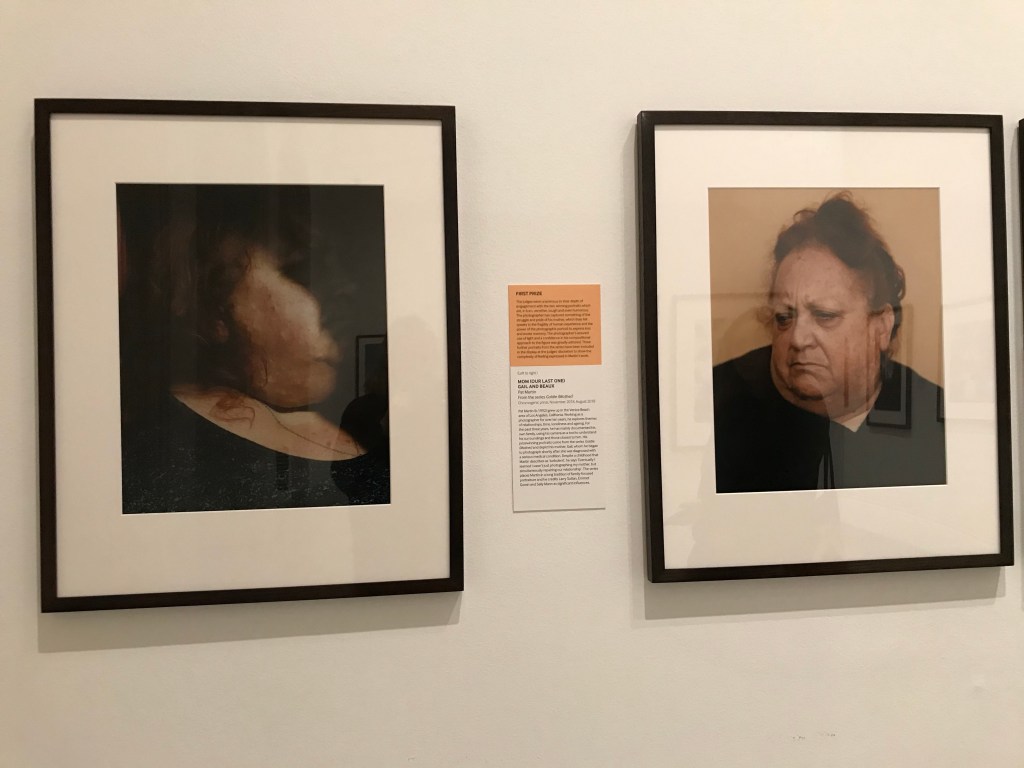
Taylor Wessing Portrait Prize (2019) at The National Portrait Gallery – Exhibition Reflection

I have always enjoyed visiting the NPG at the time of the portrait prize as theres the opportunity to discover new photographers and to understand the different lives people live. I also admire the inclusive element of the prize, and that anyone can enter as long as they can provide a portrait.

Whilst all the images displayed were vastly different, the curator had opted for the same black frame and mount, to add a uniform order to the collection. Upon first glance I was disappointed, as I felt some of the images would’ve suited a different coloured frame, or an antique guilded frame. I soon came to understand that as it’s a competition the framing has to be the same on each image, so that they can be judged equally. I found this to be fair as it fits again with the inclusive manner of the prize, and that if images were to be framed by the submitter, the perhaps some would have looked beautiful in expensive frames while others may have lacked or lost due to their lack of.

I was impressed with the framing and mounting, as I feel this is something that I haven’t explores yet in my work as there hasn’t been a need to, or if I were displaying work I would simply nail the print into the wall. The mount gave the images more value and also some negative space so that they could be admired to the full extent, they feel separated from the wall and frame. This worked especially well for some of the more thoughtful pieces, that looked at difficult subjects of death, loss and change. The mount felt like breathing space for the viewer and the subject.

I also really appreciated the statement alongside each image, as unlike Steve McQueen’s images, that were all his and depicted the same thing, statements felt necessary in the Taylor Wessing so viewers could have a little context and take note of the artist for further research. Its given me an insight into how important statements are for people understanding your work and also making contacts and a bigger name for yourself.

With regards to display in the exhibition, the images were all rather uniform in their spacing, they each had an equal space on the wall and were hung at the same height with the same space in between. This again feels important in a competition to share the space equally and to give viewers no bias.

Overall I enjoyed the curation of the exhibition as it was interesting to think about how a competition must be displayed differently to a normal exhibition, to allow for equal judgement. However I do prefer prints to be displayed at different heights and sizes on the walls as it gives the viewers some variety. Again though, this all depends on the work being shown.

Steve McQueen ‘Year 3’ (2019) – Exhibition reflection

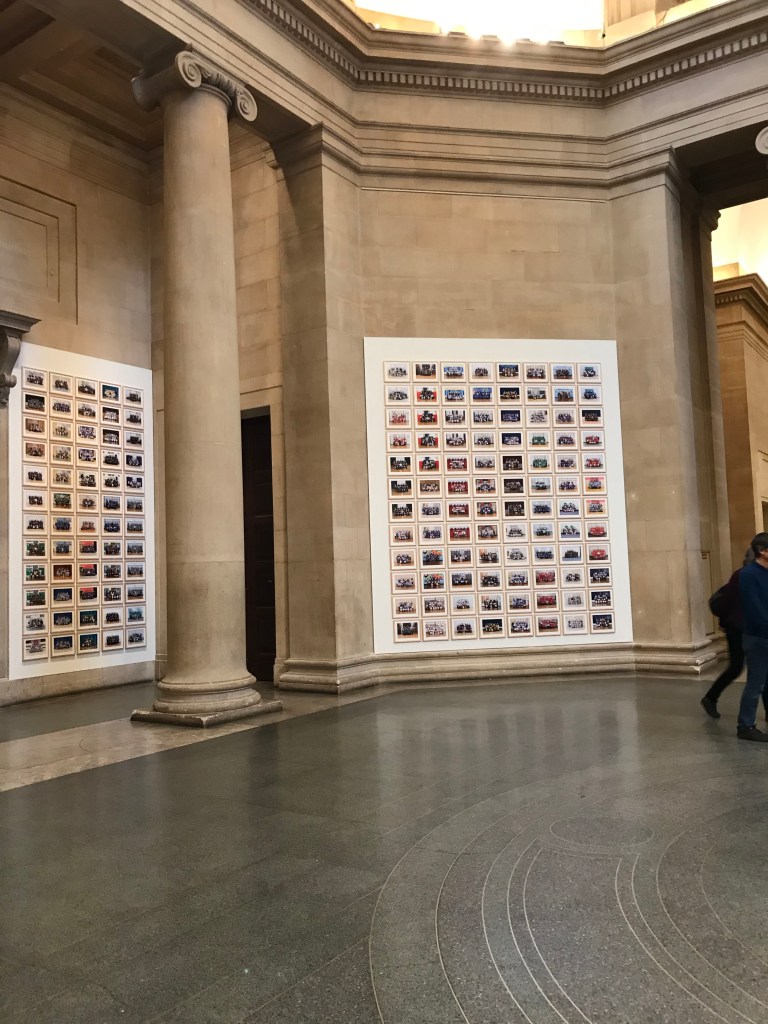
‘Explored through the vehicle of the traditional school class photograph, this vast new art work is one of the most ambitious portraits of children ever undertaken in the UK. It offers us a glimpse of the capital’s future, a hopeful portrait of a generation to come.’

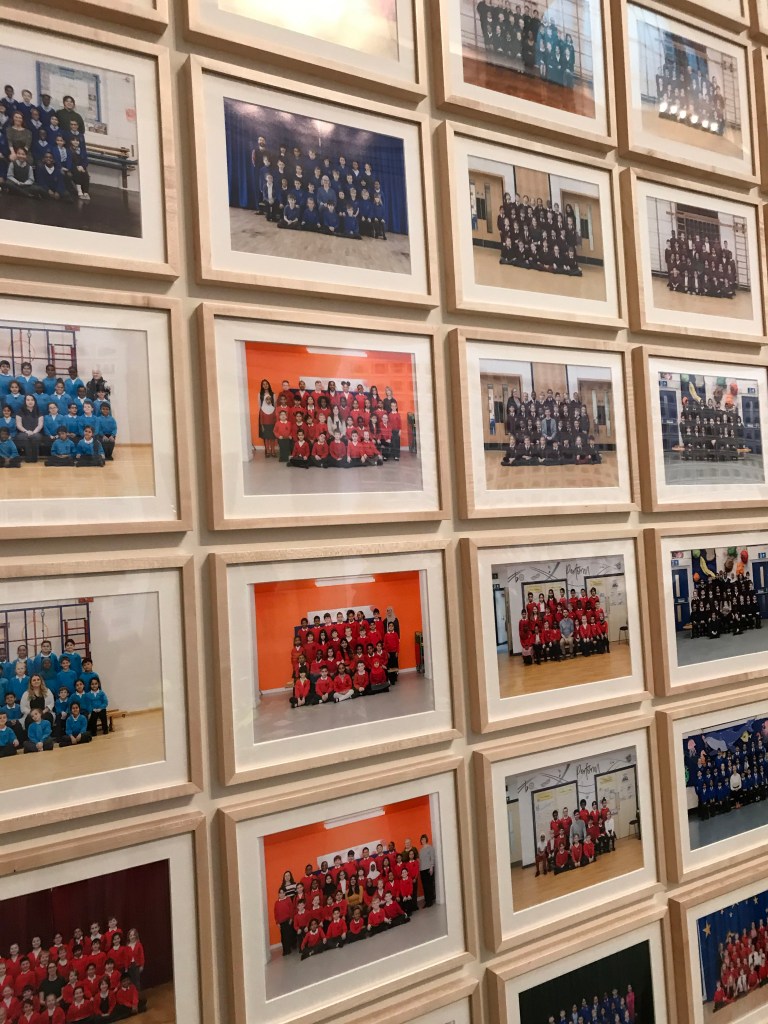
Steve McQueen, prestigious artist and film director moved his lens onto the children of London, more specifically the 7 and 8 year olds that inhabit the Year 3 classrooms. His interest spurs from a psychological stance, that in Year 3 you are in the most developmental and important aspects of childhood with regards to the mind and body. His decision to explore not just one class, but the whole of London led to his photographs containing 76,000 subjects, a huge number that would frighten any curator or gallery space.

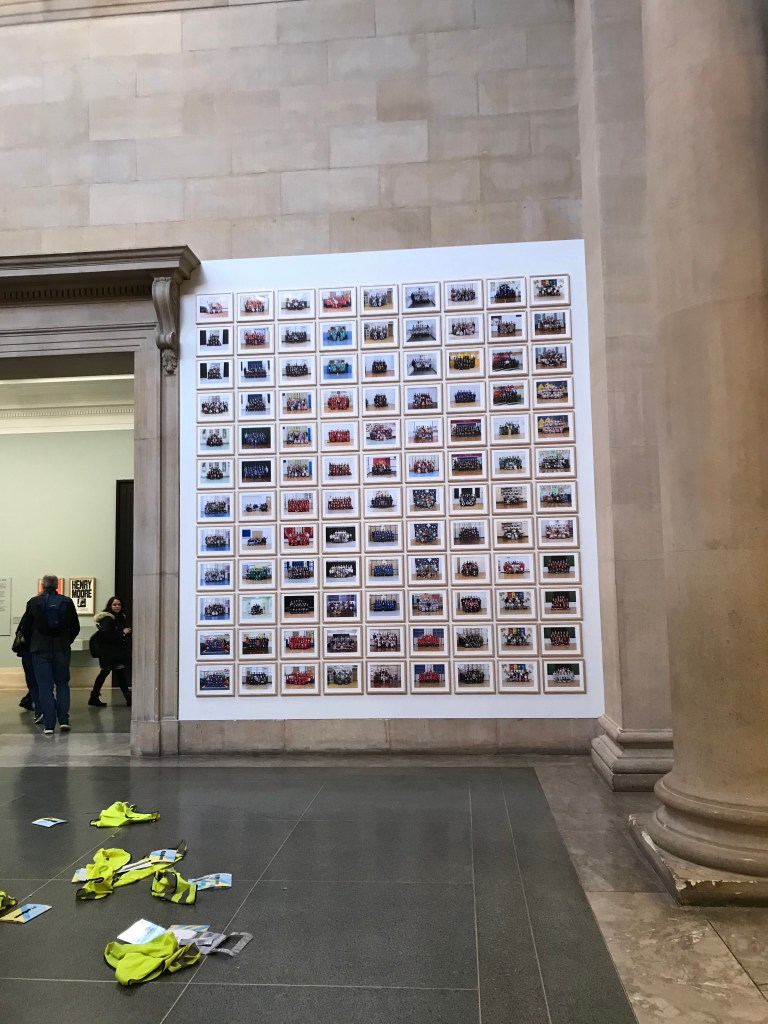
Yet the main hall of the Tate Britain accommodates each and every one of the images in an orchestrated and uniform fashion, reflecting the children’s poses within the images.

Upon closer inspection the images do allude perfectly to the classical class portrait, albeit the light is perhaps more subtle. The portraits have been taken inside the schools, so each background differs from the other, and McQueen has chosen to mix them all up when hanging, as oppose to sorting them colour and aesthetics-wise. This adds more depth to the project and helps to illustrate the diversity of the new generation of London, with children of all different races, sexes, height, weight etc.

By placing the images together in these 10×10 (approx) formations on the walls viewers are staring up at subjects, giving the children depicted some authority and power, despite the fact they’re normally child height. The overwhelming number of images surrounding the whole hall again adds to this and leaves viewers looking as a whole and not at individuals. He was managed to document an entire generation and illustrated strength in numbers. I feel its important that the images are all uniform as it makes each subject feel equal, as oppose to perhaps blowing up some of the images to a larger scale in the gallery space.

The frames are very simple, made of cheap wood and again are all uniform, adding a normality to the images, despite the fact they are in a space of such grandeur. This feeds into the equal aspect of the work and how the framing and size of a work can subvert the space it’s in.

McQueen’s images are also on billboards around london, although they depict only one class portrait per billboard. I enjoy this variety of print sizes and the opportunity to take a closer look and admire the quality of the print if it can be expanded to that size. I also think this is a great way to share work with people less aquatinted with the art gallery and draws them in or allows them to comment, removing this elite stance on who admires art.

On initial impression I couldn’t imagine how the images would fit in the space, I presumed they would be placed in a more classical gallery area with white walls and studio lighting yet McQueen has changed this perception. If I were ever to display a large amount of the prints I would consider using a space less traditional.

Reflection on Portfolio

I found the portfolio element of the Brief rather difficult, as it’s hard deciding whether you want to illustrate your favourite work or the work you feel would be best for a commercial or editorial campaign. I spent much time sifting through my prints from the past three years and felt that not all my images really represented my style, as this year is when I finally realised my interest and calling for documentary Photography. My portfolio consists of many images from my ‘Father’ project from last year, paired with some portraits that I admire and then some images from charity. I’m not sure these really exhibit my abilities but it was good practice to try and have a look through and see my strengths and weaknesses. After completing the Editorial I would definitely add some images form that as they illustrate my capabilities in the studio and on digital as well as focusing on subjects that aren’t known to myself.

I feel that by the end of Third year my portfolio will be a far better representation of my work as I’m looking forward to doing my FMP and hopefully those images will illustrate my passion for documentary. I also didn’t have the funds at this point in the year to pay for all new images in my portfolio, so some are Matte whilst others are glossy or sized differently. I know that when presenting a portfolio to a client it needs to match and this is something that will be done by the end of the year. My website at the moment is a far more accurate representation of my style and work.

https://bryonymerritt.cargo.site

Inspiration – Tracey Emin

‘Because you left’ (2018)

I recently visited Tracey Emin’s exhibition at the Bermondsey White Cube and decided to have a closer look upon one of her pieces. Her introspective perspective which is reflected throughout her lifetimes work is a constant inspiration to my practice. Although she follows a more fine art approach, her work is so personal that it links well to my interest in documentary imagery.

The painting depicts a woman reclining on a bed, with her legs apart, as something emerges from between them. There is a taunt and twisted movement in the body, whilst the face depicts what can only be described as exhaustion, the eyes closed and turning from the scene beyond the torso. The use of visceral pinks and deep reds alludes to the colours of humans, of birth and death, expressing fluidity between the two as we begin to uncover the subject matter of the image being Emin’s abortion. In a 1996 video created by Emin, she wanders around London followed by a camera, grappling with her decision of an abortion and the horrific aftermath, as the foetus fell from her shorts in a taxi, into her hands. This video paints a gory and unthinkable scene, which helps us to understand the colours and tones of the painting before us. The acrylic brush strokes are heaving and calculated, going round and round in the space where we imagine the child would be, whilst the dark grey of the bed seems to be lacking in paint, perhaps indicating the importance of the child and hardship of creating the work, as it again feeds into this exhaustion and a sense of faltering and despair. Elements of the image, such as the depiction of the nude woman, and the brush strokes allude to the works of Egon Schiele and Kathe Kollowitz, Emin connecting the realism and sexuality of the two into her work, which can be seem in many more of her pieces. The angle of the image makes viewers feel as though we are stood above, at the doorway, watching the event unfold, unable to do anything, as Emin was after she went into theatre.

While normally, the sight of the female nude is sexualized and voyeuristic, viewers instead feel a sense of the forlorn and sadness, unlike Emin’s other pieces that explore a more erotic nature. This particular image falls into a series that explore her prevalent life events, such as her abortion, mother’s death, and a sense of an unrequited and blasé attitude towards love. This is a pattern in Emin’s work, with every piece being deeply personal and sometimes uncomfortable for viewers, something Emin perhaps deems necessary for us to understand her hardships and life. The image expresses a heart wrenching reality of a taboo subject that implores such loss upon those who undergo it, but is something that isn’t discussed and accepted openly, with her doctor not allowing the papers to be signed initially. There is a sense of the bittersweet for Emin, as, if she hadn’t undergone the abortion, her career may not have taken off, and it’s a huge influence for her work. Finally, looking at the title ‘Because you left’ we are conflicted, as I believe Emin is. The image comes full circle and reminds us of a comment she contrived, that the abortion was the “best mistake she’s ever made”, the words themselves being contradictory. She is able to fulfill her career because the child left but there is also a deep sadness that is continuously illustrated throughout her work, that ‘because you left’, it will continue forever. The title encapsulates all this absence and conflict perfectly, and works as in integral telling piece of Emin’s collection. 

Design a site like this with WordPress.com
Get started